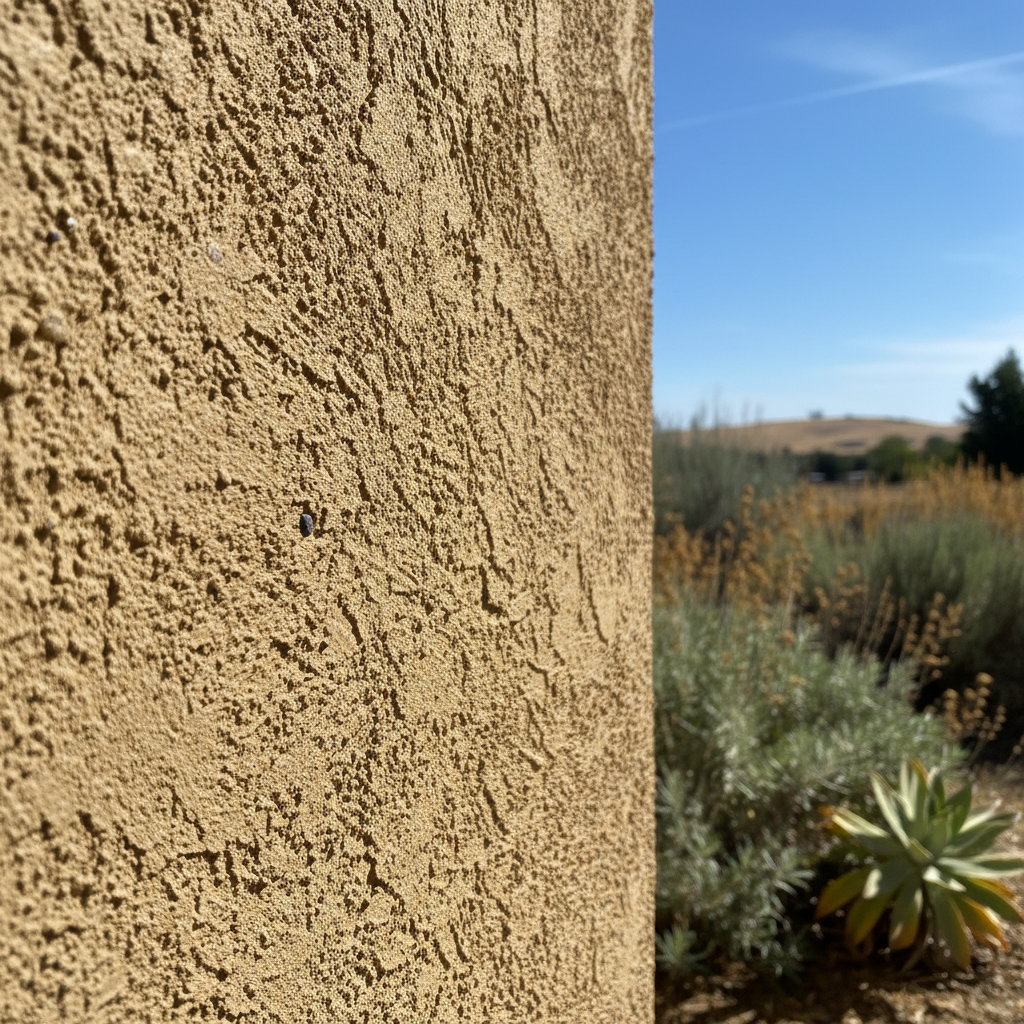
Thinking About Your Stucco? Here's What to Look For
You've got stucco on your home, right? Great choice for our Santa Maria climate, but like anything else, it needs a little attention now and then. Don't wait until you've got a big problem on your hands. A little proactive inspection can save you a ton of headaches and cash down the road. I'm talking about knowing what to look for yourself and when it's time to bring in someone like us at Santa Maria Stucco & Plastering.
Before You Even Start: Get Ready to Inspect
Before you go poking around, you need a plan. First, grab a notepad, a pen, and your phone or a camera. You'll want to document everything you find. Second, think about safety. If you're going to be on a ladder, make sure it's sturdy and you've got someone spotting you. Don't take chances. Third, pick a good day. You want decent light, no rain, and not too windy. You're looking for subtle stuff, and bad weather just makes it harder.
What kind of issues are we even talking about? Well, stucco is tough, but it's not invincible. We're looking for cracks, discoloration, soft spots, and anything that just doesn't look right. Remember, the goal here isn't to become a stucco expert overnight, it's to spot potential problems early.
Your DIY Stucco Inspection Checklist: What You Can Do
Alright, let's get into what you can realistically check yourself. You don't need fancy tools, just your eyes and a little common sense.
- Walk Around Your House: Start by just walking the perimeter. Look at the stucco from a few feet away. Are there any obvious big cracks? Any areas that look wet or discolored? Pay special attention to the bottom of the walls, where the stucco meets the ground or foundation. We see a lot of issues start there, especially with our clay soils here in Santa Maria that can hold moisture.
- Get Up Close: Now, get closer. Run your hand over the stucco. Does it feel solid? Are there any soft spots? If you tap it gently with your knuckles, does it sound hollow in places where it shouldn't? Hollow sounds can mean the stucco isn't properly bonded to the wall underneath.
- Look for Cracks: Not all cracks are created equal. Hairline cracks are pretty normal; stucco expands and contracts with temperature changes. But if you see cracks that are wider than a credit card, or if they're running in a spiderweb pattern, or if they're horizontal and really long, that's a red flag. Vertical cracks that go from the top of a window down to the bottom, or vice versa, are also worth noting.
- Check Around Openings: Windows, doors, vents, light fixtures – these are all vulnerable spots. Look for cracks radiating out from the corners. See if the caulking or flashing around these openings is still intact. If it's cracked, missing, or looks dried out, water can get in behind the stucco.
- Water Stains and Discoloration: Any dark streaks or patches? These often indicate water intrusion. If you see them under windows or near the roofline, it's a pretty strong sign that water is getting where it shouldn't. Mold or mildew growth on the stucco is another big clue.
- Gutters and Downspouts: Make sure your gutters are clean and your downspouts are directing water away from your foundation. If water is constantly splashing onto your stucco, it's going to cause problems over time.
When to Call a Pro: It's Not Always a DIY Job
You've done your walk-around, you've made your notes, and you've got some concerns. Or maybe you just don't feel comfortable doing a thorough check yourself. That's totally fine. This is where a professional stucco inspector comes in.
You absolutely need to call a pro if you find any of these:
- Significant Cracks: Those wider-than-a-credit-card cracks, spiderweb cracks, or long horizontal cracks. These can indicate structural movement or serious moisture issues.
- Soft or Spongy Areas: If you push on the stucco and it feels soft, or if you hear a really hollow sound when you tap it, that's a major sign of water damage and rot underneath. Don't ignore this.
- Extensive Water Stains or Mold: If you're seeing widespread discoloration or mold growth, especially if it's recurring after you've tried to clean it, you've got a water problem that needs expert diagnosis.
- Missing or Damaged Flashing: Flashing is that metal or plastic barrier designed to direct water away from vulnerable areas. If it's bent, rusted, or missing around windows, doors, or rooflines, you're asking for trouble.
- Any Suspected Leaks Inside: If you're seeing water stains on interior walls or ceilings that seem to correspond to exterior stucco areas, you need a professional inspection immediately.
- You Just Bought or Are Selling Your Home: A professional stucco inspection is a smart move during a real estate transaction. It gives both buyers and sellers peace of mind and can uncover issues before they become negotiation nightmares.
After the Inspection: What Happens Next?
If you've done your DIY check and found nothing major, great! Keep an eye on things, maybe do a quick walk-around every six months or so. If you found minor issues, like small cracks, you might be able to patch them yourself with the right materials. Just make sure you know what type of stucco you have and get the right patch. If you're not sure, ask us.
If you called a professional stucco inspector, they'll give you a detailed report. This report should outline any issues they found, their severity, and recommendations for repair. It might include moisture readings, photos, and even recommendations for further investigation if they suspect hidden damage. Don't just file it away; use it to prioritize repairs. Some things might be cosmetic, others could be critical for the integrity of your home.
Look, your home is a big investment. Taking a little time to understand and inspect your stucco is just smart homeownership. It lets you catch small problems before they balloon into expensive, complicated fixes. And when you need expert eyes or hands, that's what Santa Maria Stucco & Plastering is here for.