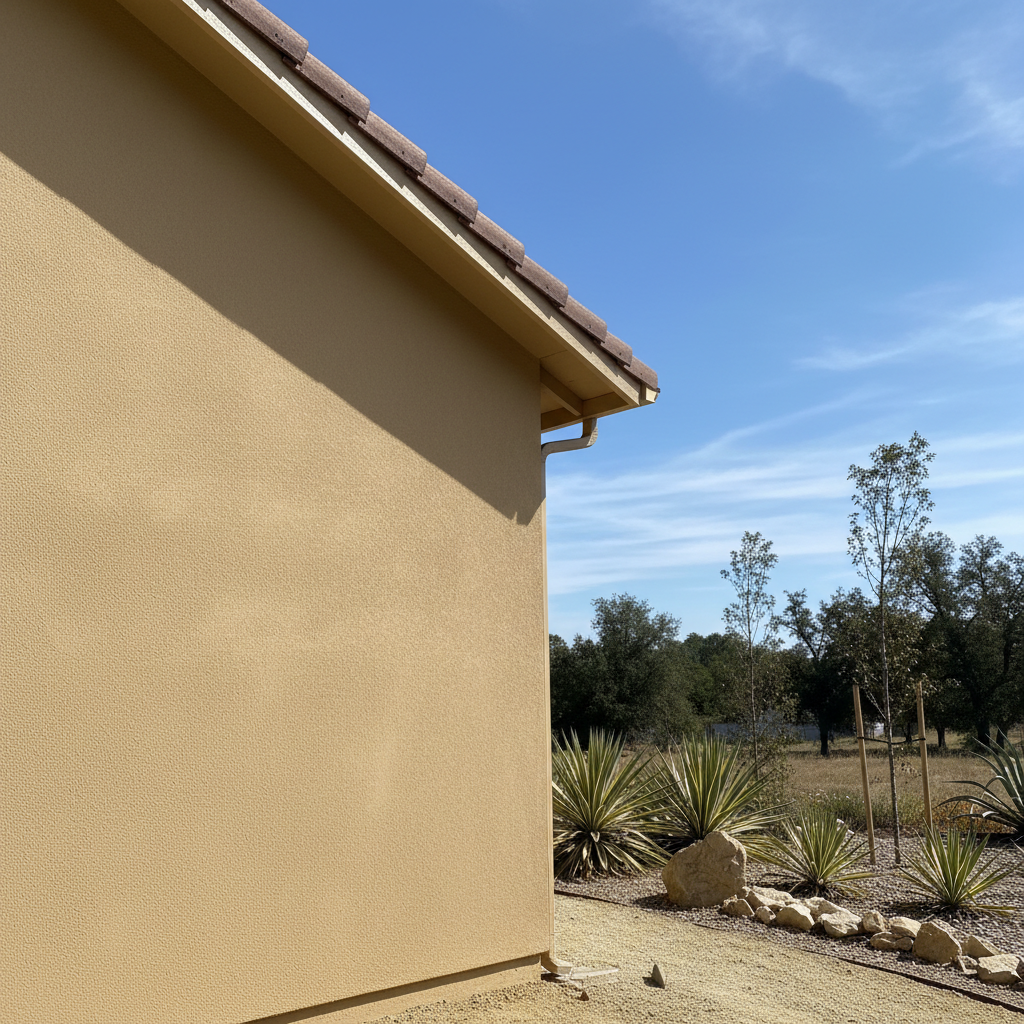
So, you've got Exterior Insulation and Finish Systems (EIFS) on your place. Maybe it's a newer build, or maybe you had an older home updated. Either way, you've made a good choice for energy efficiency and a clean look. But just like anything else on your home, EIFS isn't a 'set it and forget it' kind of deal. You've gotta give it a little attention to make sure it holds up, especially with our unique Santa Maria climate.
Extending the Life of Your EIFS
The biggest thing you can do to extend the life of your EIFS is pretty simple: keep it clean and keep it dry. Sounds obvious, right? But you'd be surprised how many folks let things go. Regular cleaning prevents dirt and grime from building up, which can eventually degrade the finish. And keeping it dry means addressing any water issues pronto.
Think about the sun we get here. It's great for growing strawberries, but it can be tough on exterior finishes. The UV rays can fade colors and make the topcoat brittle over time. A good quality paint or elastomeric coating applied every 10-15 years, depending on exposure and product, can really help. It's like sunscreen for your house. Also, make sure any landscaping, like those beautiful bougainvillea or climbing roses, isn't directly touching the EIFS. Plants hold moisture against the surface and can scratch or even penetrate it, creating pathways for water.
Regular Maintenance: What You Need to Do
You don't need to be out there every day, but a yearly check-up is smart. I tell my customers to do a walk-around in the spring, after any winter rains, and maybe another one in the fall. Here's what I'm looking for:
- Cleaning: Use a soft brush and a mild detergent solution. A garden hose is usually fine for rinsing. Don't go crazy with a high-pressure washer; you can damage the finish, especially if it's an older system. Just gentle washing.
- Caulking: Check all the joints where the EIFS meets windows, doors, trim, and other building materials. Caulk dries out and cracks over time, and those cracks are an open invitation for water. Re-caulk as needed with a good quality, flexible sealant.
- Gutters and Downspouts: Make sure they're clean and directing water away from the walls. Overflowing gutters are a common culprit for water damage on EIFS, especially on those two-story homes in neighborhoods like the Westgate area.
- Roof Overhangs: Check for any signs of water running down the walls from the roof. If your roof isn't properly shedding water away from the EIFS, you're asking for trouble.
Warning Signs of Problems
This is where you really need to pay attention. Catching these early can save you a lot of headache and money down the road. Here are the red flags:
- Cracks: Hairline cracks are sometimes just surface deep, but anything wider than a credit card, or cracks that form a spiderweb pattern, are concerning. They can mean water is getting in.
- Bulges or Soft Spots: If you push on the EIFS and it feels soft, or you see areas that look like they're bulging out, that's a serious sign of water intrusion and damage to the substrate underneath.
- Discoloration or Stains: Dark streaks, especially under windows or near the roofline, often indicate water is running where it shouldn't be, or mold/mildew is growing due to persistent dampness.
- Peeling or Flaking Finish: This means the topcoat is failing, exposing the layers beneath to the elements.
- Impact Damage: Kids throwing balls, accidental bumps from a ladder, or even a strong gust of wind with debris can create holes or dents. Even small ones need to be repaired to prevent water entry.
When to Call a Professional
Look, a lot of the basic maintenance you can handle yourself. But when you see those warning signs, or if you're just not sure, that's when you call in the pros. Don't try to patch up significant damage yourself unless you really know what you're doing. Improper repairs can make things worse by trapping water or not sealing the system correctly.
If you're seeing widespread cracking, significant bulging, or suspect water has gotten behind the EIFS, you need an expert. We've seen it all at Santa Maria Stucco & Plastering, and we can properly diagnose the issue, make the right repairs, and ensure your EIFS is watertight and looking good again. Ignoring these problems won't make them go away; they'll only get more expensive to fix.
```